
Why Burundi
The forgotten country with an urgent need.
Burundi is one of the poorest and most water-scarce nations on earth. Yet beneath the surface lies abundant groundwater — it just needs someone to reach it.
The Country
A nation of
beauty and resilience
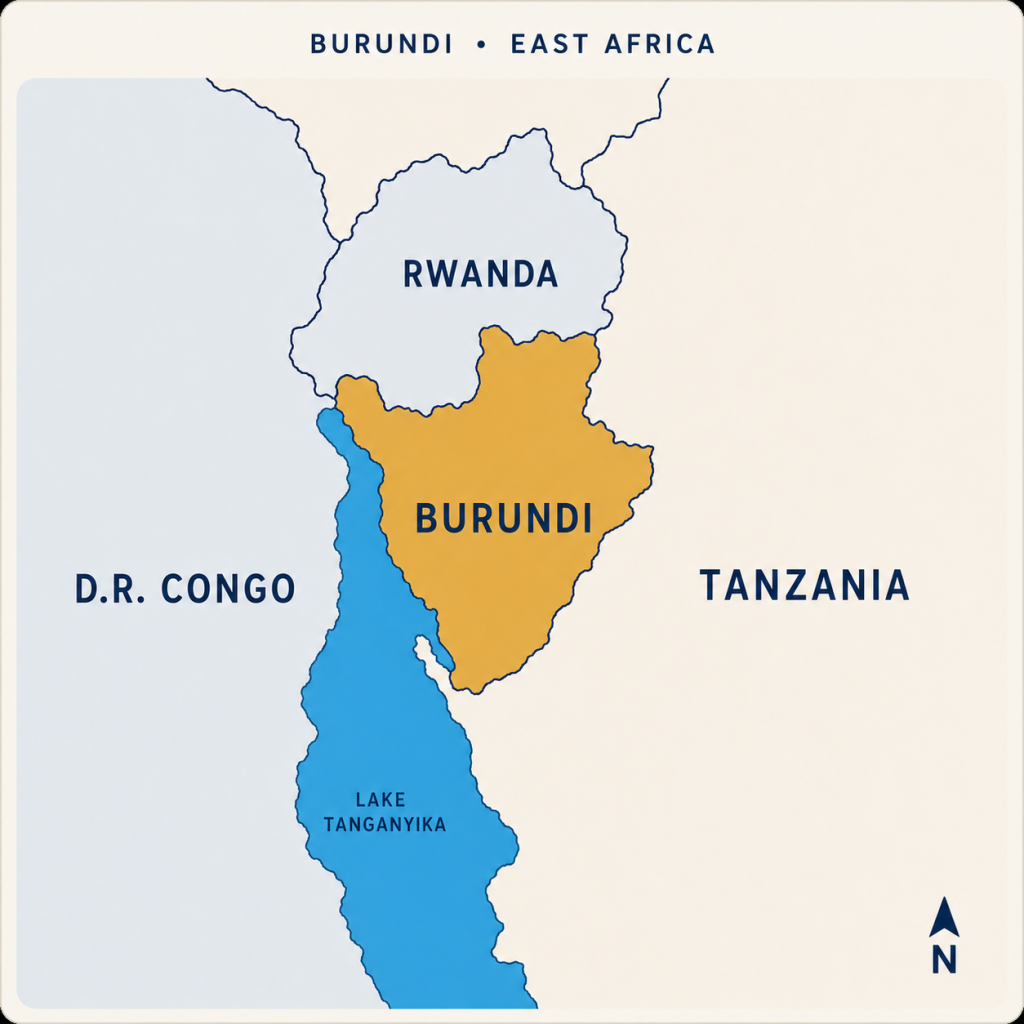
Burundi is a small, densely populated, landlocked nation in East Africa. With a population of approximately 13 million people, it is one of the poorest countries in the world — shaped by decades of civil conflict that have deeply impacted its infrastructure and economy.
Despite its challenges, Burundi is a country of extraordinary beauty and resilient people. Rolling green hills, fertile valleys, and communities full of warmth and determination define the landscape.
The cruel irony is that extensive underground water reserves sit beneath the surface, waiting to be tapped. The water is there — what’s missing is the infrastructure to reach it.
That’s where Millions From One steps in. We focus all of our resources on one country because we believe depth of impact matters more than breadth. We know the people, the land, and the need.
The Crisis
The water crisis in numbers
80%
Lack Clean Water
More than 80% of people in rural Burundi have no access to safe, clean drinking water.
#1
Killer of Children
Waterborne disease is the leading cause of death among children under five in Burundi.
Miles
Walked Daily
Women and children walk miles each day to collect unsafe water from contaminated streams and ponds.
Daily Reality
What life looks like
without clean water
In rural Burundi, the daily struggle for water shapes every aspect of life. Women and children — especially girls — bear the heaviest burden, spending hours walking to distant, contaminated sources.
Families drink water shared with animals, tainted by parasites and bacteria. Children fall ill repeatedly. Girls miss school. Mothers carry heavy containers for miles in extreme heat, often with infants on their backs.
The cycle of poverty, illness, and lost opportunity continues — until clean water arrives.
Women spend hours walking instead of working, learning, or caring for families
Many leave before dawn to fetch water, too exhausted to learn when they arrive
Women spend hours walking instead of working, learning, or caring for families
Abundant aquifers sit beneath the surface — they just need wells to reach them
A single well transforms health, education, and economies for an entire community